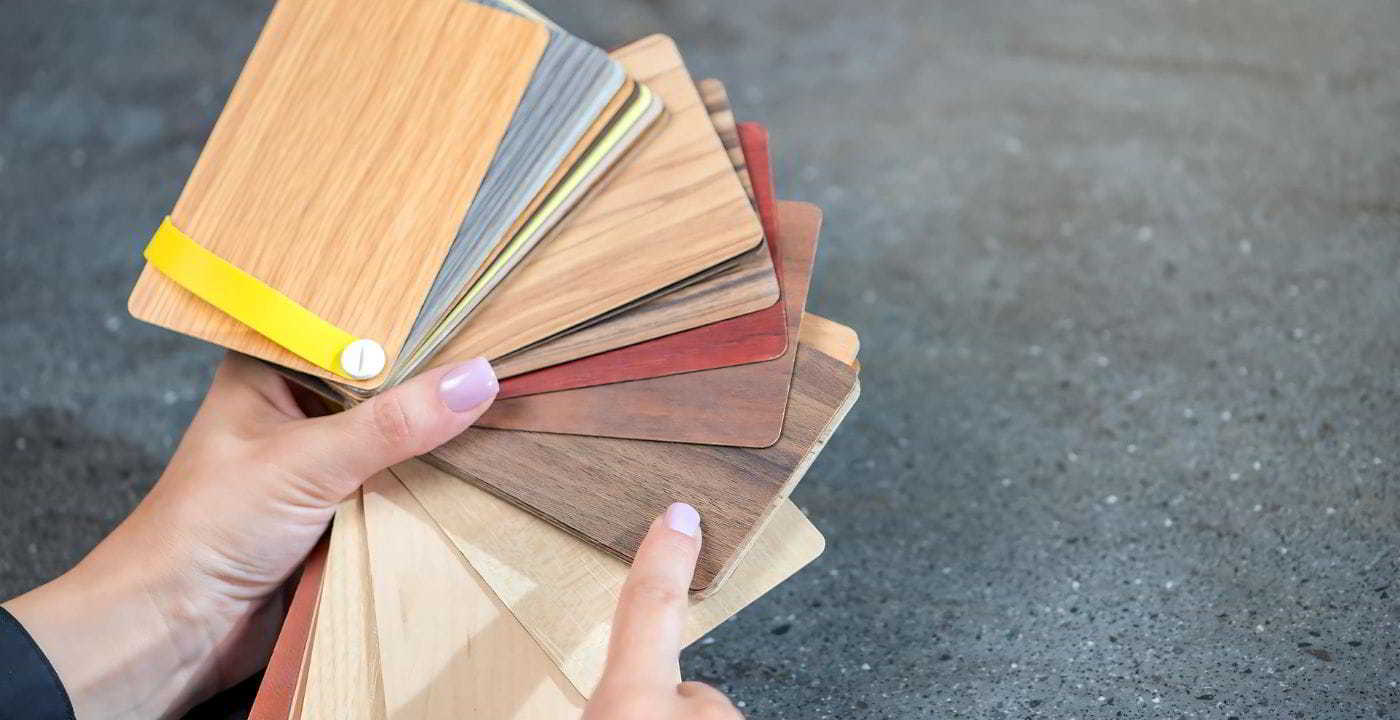
Understand the Core Differences Between Carpet and Vinyl Flooring
When looking at carpet and vinyl flooring, the main differences are how they’re made, how they feel, and how they work in daily life. Both can look good in the right area, but they act very differently once put in place.
How Carpet and Vinyl Are Made
Carpet is soft flooring with fibers like nylon, polyester, or wool, woven or tufted into a backing and placed over padding. The padding adds comfort, insulation, and reduces noise.
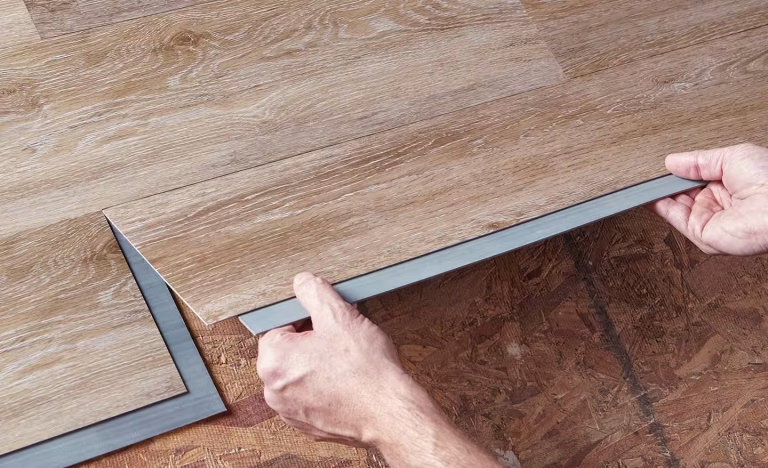
Vinyl flooring, especially luxury vinyl plank (LVP) or tile (LVT), is a layered hard surface product. It usually has a wear layer for strength, a design layer that looks like wood or stone, a waterproof core, and a backing for steadiness. This build gives vinyl its toughness and water resistance.
Soft vs. Hard Surface Living
Carpet offers warmth, softness, and cuts down noise, making it great for comfy areas. Vinyl gives a firm, stable surface that’s easy to clean, perfect for places with spills, pets, or lots of foot traffic.
Why These Floors Fit Different Lifestyles
Carpet is liked by those who want comfort, coziness, and quiet, especially in bedrooms and living rooms. Vinyl is often chosen by families who need durability, waterproof features, and easy care, especially in kitchens, basements, and busy areas.
Knowing these differences helps choose the right floor for your lifestyle, not just looks.
Key Things to Think About When Picking Carpet or Vinyl
Comfort and Feel Underfoot
Carpet gives a soft, comfy feel for walking and sitting, great for cold places. Vinyl is harder but can still feel nice with good underlayment or thicker planks.
Water Resistance and Spill Protection
Vinyl is waterproof, ideal for areas with spills. Carpet soaks up moisture and stains, so it’s best in certain places.
Durability and Daily Wear
Vinyl withstands scratches and wear from pets and kids. Carpet shows wear over time, especially in busy spots, but is softer to walk on.
Ease of Cleaning and Maintenance
Vinyl is easy to sweep and mop. Carpet needs regular vacuuming and sometimes deep cleaning to look good and stay clean.
Lifestyle and Room Usage
Your home’s activities—pets, kids, guests, and foot traffic—affect which flooring is better for you.
Carpet vs. Vinyl Flooring Comparison Chart
| Flooring Type | Comfort | Water Resistance | Durability | Maintenance | Best Use Areas | |||||||||||||||||||||||||||||||||||||||||||||||||||||||||||||||||||||
|---|---|---|---|---|---|---|---|---|---|---|---|---|---|---|---|---|---|---|---|---|---|---|---|---|---|---|---|---|---|---|---|---|---|---|---|---|---|---|---|---|---|---|---|---|---|---|---|---|---|---|---|---|---|---|---|---|---|---|---|---|---|---|---|---|---|---|---|---|---|---|---|---|---|---|
| Carpet | ✅ Very Soft | ❌ Not Water-Resistant | ⚠️ Moderate | ⚠️ Moderate | Bedrooms, living rooms, stairs | |||||||||||||||||||||||||||||||||||||||||||||||||||||||||||||||||||||
| Luxury Vinyl Plank (LVP) | ⚠️ Firm but Comfortable | ✅ Waterproof | ✅ High | ✅ Easy | Kitchens, basements, hallways | |||||||||||||||||||||||||||||||||||||||||||||||||||||||||||||||||||||
| Luxury Vinyl Tile (LVT) | ⚠️ Firm | ✅ Waterproof | ✅ High | ✅ Easy | Bathrooms, laundry rooms | |||||||||||||||||||||||||||||||||||||||||||||||||||||||||||||||||||||
| Plush Carpet | ✅ Maximum Cushion | ❌ Low | <td data-col-size="sm"
| Flooring Type | Average Lifespan | Material Cost (Per Sq. Ft.) | Installation Cost (Per Sq. Ft.) | Resistance to Wear & Damage | Best For |
|---|---|---|---|---|---|
| Standard Carpet | 7–10 years | $2 – $4 | $1 – $2 | ⚠️ Moderate (wear paths, stains) | Bedrooms, low-traffic areas |
| High-Quality Carpet | 10–15 years | $4 – $7 | $1.50 – $3 | ⚠️ Moderate–Good (with proper care) | Living rooms, stairs |
| Luxury Vinyl Plank (LVP) | 15–25 years | $3 – $6 | $2 – $4 | ✅ High (scratch & dent resistant) | Kitchens, basements, busy homes |
| Waterproof Rigid Core Vinyl | 20–30 years | $4 – $7 | $2.50 – $5 | ✅ Very High (impact & moisture resistant) | Whole-home installations |
| Commercial-Grade Vinyl | 25–30+ years | $5 – $8 | $3 – $6 | ✅ Excellent (heavy traffic) | Rentals, large families |

Water, Spills & Moisture — A Critical Difference
Carpet and vinyl floors differ a lot when it comes to water. Picking the wrong one for wet areas can cause stains, smells, or even a need to replace it.
Why Vinyl Is Waterproof and Carpet Is Not
Luxury vinyl floors have a waterproof core and sealed surface. This keeps spills on top, so they can be cleaned easily without harm.
Carpet, however, is absorbent. Liquids go through the fibers to the padding below. Quick cleaning might not stop moisture from staying, which can cause odors, mold, or stains.
Best Flooring for Basements, Kitchens, and Bathrooms
Vinyl is best for places where there’s always water:
Basements: Deals with humidity and water better than carpet
Kitchens: Handles spills and daily cleaning
Bathrooms & laundry rooms: Waterproof to stop long-term damage
Carpet is good for dry areas like bedrooms and living rooms where water is less likely.
What Happens When Carpet Gets Wet (and When Replacement Is Required)
If carpet gets wet from spills or leaks, the damage might go deep. If water reaches the padding or subfloor and isn’t dried in 24–48 hours, replacement is often needed to avoid mold and smells. Even professional cleaning might not fix it.
For those worried about spills, pets, or leaks, vinyl flooring offers peace of mind that carpet can’t.

Maintenance & Cleaning — Daily Life with Carpet vs. Vinyl
Think about how much cleaning time you want when choosing between carpet and vinyl. Daily upkeep is where you really notice the difference.
Vacuuming vs. Sweeping & Mopping
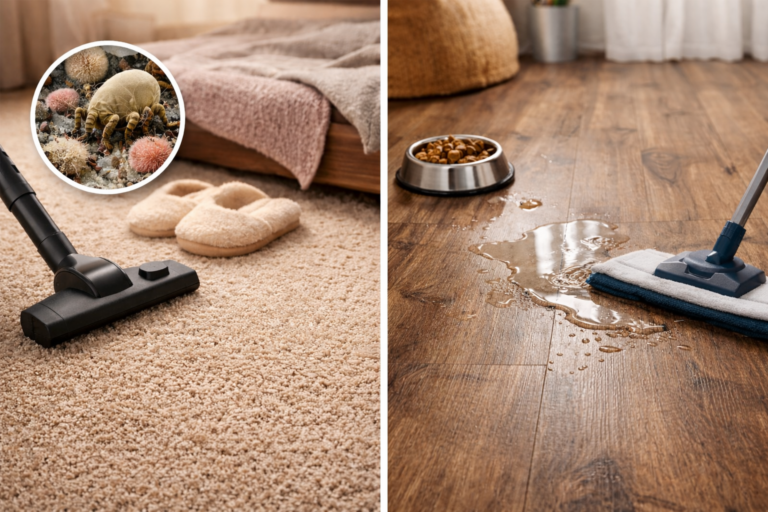
Carpet needs regular vacuuming to get rid of dirt and dust in the fibers. In busy homes, this might mean vacuuming several times a week, especially with kids or pets.
Vinyl is much easier to care for. Sweeping or vacuuming, plus some mopping, usually keeps it clean. Dirt stays on top, so cleaning is quicker and less work.
Stain Resistance and Spill Cleanup
Spills on carpet need fast action. Liquids can soak in, causing stains or smells. Over time, busy areas can look worn out.
Vinyl is stain-resistant and non-porous. Spills are easy to wipe up, and vinyl doesn’t soak up odors. It’s great for homes with pets, kids, or lots of guests.
Which Flooring Is Easier to Keep Looking New?
Vinyl is best for keeping a new look. Its protective layer stops scratches and fading, and regular cleaning keeps it fresh.
Carpet can look nice, but it takes more care, like deep cleaning every 12–18 months, to stay clean and look good.
For busy people who want low-maintenance floors, vinyl is better than carpet.

Cost Breakdown — Carpet vs. Vinyl Flooring
When picking between carpet and vinyl flooring, cost is a big factor. But remember, the true cost includes installation, maintenance, and how long it lasts.
Average Material Costs per Square Foot
Carpet usually costs less at first, with materials ranging from $2–$4 per square foot for standard and $4–$7 per square foot for better quality. Carpet padding costs extra but adds comfort and durability. Check out our Carpet Flooring Cost Guide for more details on types and costs.
Luxury vinyl plank (LVP) costs $3–$6 per square foot, and premium options cost $7 or more per square foot. Even though vinyl costs more upfront, it’s often a better long-term choice. Our Vinyl Flooring Cost Guide provides more info on LVP pricing and other factors.
Installation Cost Differences
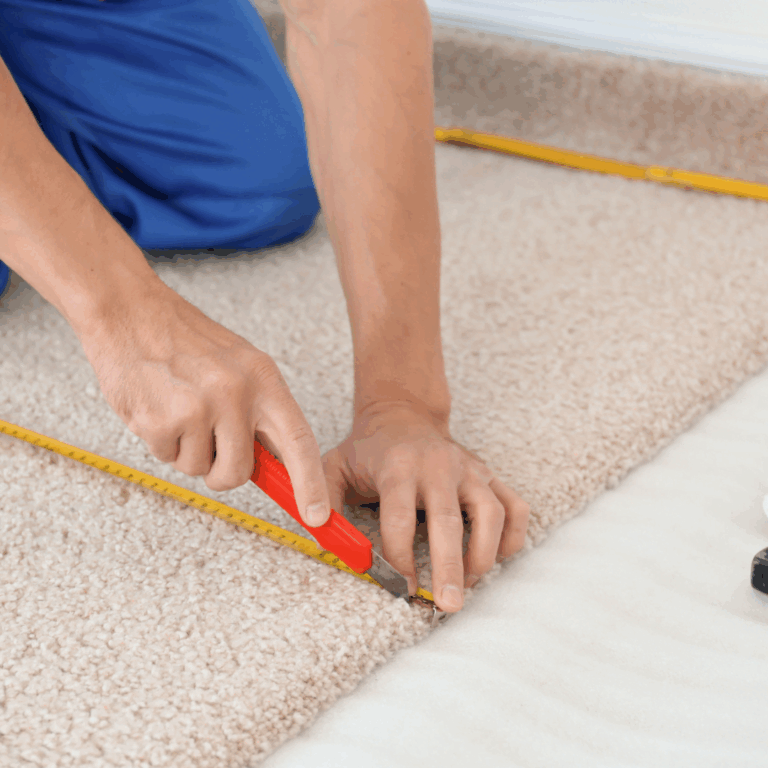
Installing carpet is usually cheaper and quicker, costing $1–$3 per square foot, depending on the room and old flooring removal.
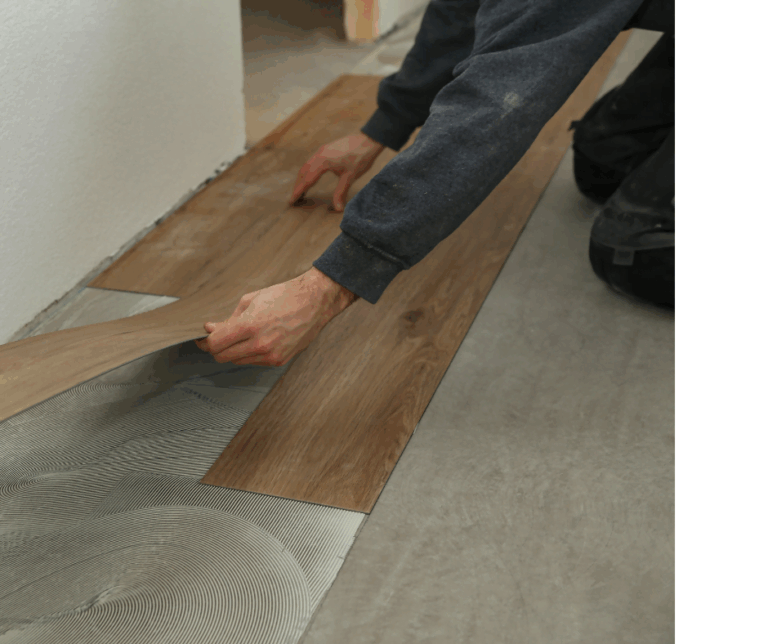
Vinyl installation costs more, typically $2–$5 per square foot, because it needs precise preparation and cutting. Quality installation boosts vinyl’s performance.
Long-Term Cost of Ownership
Carpet might need replacing every 7–10 years and requires regular deep cleaning. Vinyl can last 15–25 years or more with little upkeep and rarely needs fixing.
Over 15–20 years, vinyl often ends up being more cost-effective, especially for busy households.
A professional estimate can help you see the real costs based on your needs.
Carpet vs. Vinyl Flooring: Cost & Long-Term Value Comparison
| Flooring Type | Material Cost (Per Sq. Ft.) | Installation Cost (Per Sq. Ft.) | Average Lifespan | Maintenance & Repair Costs | Long-Term Value |
|---|---|---|---|---|---|
| Standard Carpet | $2 – $4 | $1 – $2 | 7–10 years | ❌ Higher (deep cleaning, replacement) | ⚠️ Moderate |
| High-Quality Carpet | $4 – $7 | $1.50 – $3 | 10–15 years | ⚠️ Moderate | ⚠️ Moderate–Good |
| Luxury Vinyl Plank (LVP) | $3 – $6 | $2 – $4 | 15–25 years | ✅ Low | ✅ High |
| Rigid Core Waterproof Vinyl | $4 – $7 | $2.50 – $5 | 20–30 years | ✅ Very Low | ✅ Very High |
| Commercial-Grade Vinyl | $5 – $8 | $3 – $6 | 25–30+ years | ✅ Minimal | ✅ Excellent |

Common Mistakes to Avoid — Pro Tips for Choosing Carpet vs. Vinyl
Homeowners often make mistakes when picking between carpet and vinyl flooring by just looking at the price. While cost is important, choosing the wrong type can end up costing more if it doesn’t suit the room or usage. Another mistake is not considering moisture—putting carpet in basements or wet areas can lead to smells, stains, or needing a full replacement. People also forget how much lifestyle and foot traffic affect the flooring, especially with kids, pets, or many visitors.
Experts suggest a smart approach. Often, the best choice is using both carpet and vinyl where each works best, like vinyl in areas with lots of traffic or moisture, and carpet in bedrooms for comfort and quiet. Investing in better carpet padding or a thicker vinyl layer can make floors more comfy and long-lasting. Think about future changes in your home, like pets or kids, and choose materials that can handle your needs for years to come.
Click here to schedule your free in-home consultation and find the right flooring for your home.

Request a consultation
Meet with one of our skilled project specialists to get started